There is something about December that makes people distrust perfectly good hair.
For most of the year, people know themselves rather well. They know whether they like their hair neat or slightly undone, whether they prefer it close to the head or full of movement, whether they feel better with their face exposed or softened by the hair around it. Then party season arrives and all of that judgement seems to disappear. Suddenly the hair is expected to perform. It has to look more glamorous, more polished, more obviously “done”, and somewhere in that process it can stop looking like the person wearing it.
I have always thought that was the wrong way round.
Evening hair is not really about adding more. It is about deciding what should become more obvious.
If the haircut has a beautiful line, make the line cleaner. If the hair has natural movement, allow that movement to become more deliberate. If the face looks better exposed, take the hair away from it. If the whole thing needs one small detail, add one. The difference between ordinary hair and evening hair can be remarkably slight when the starting point is good.
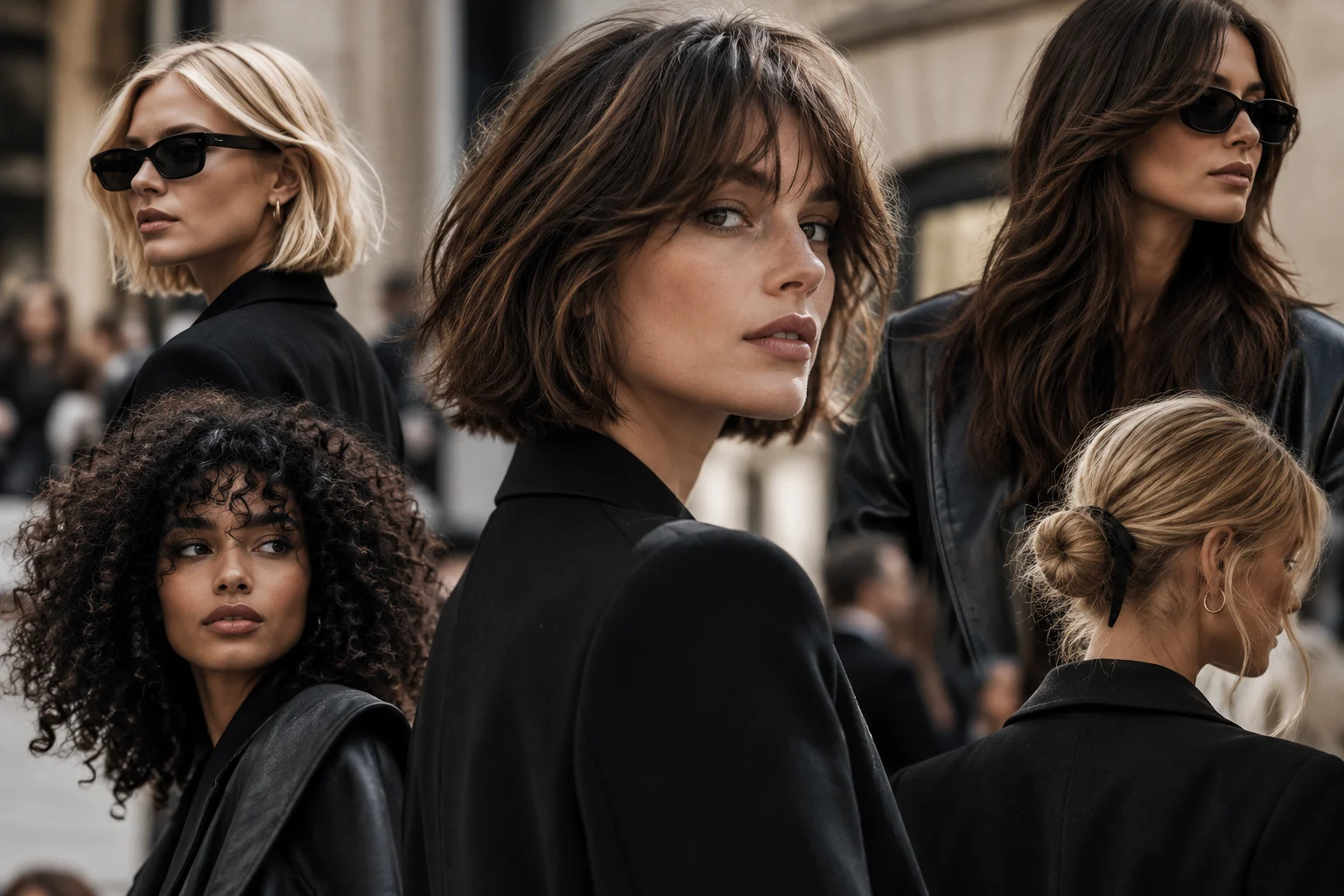
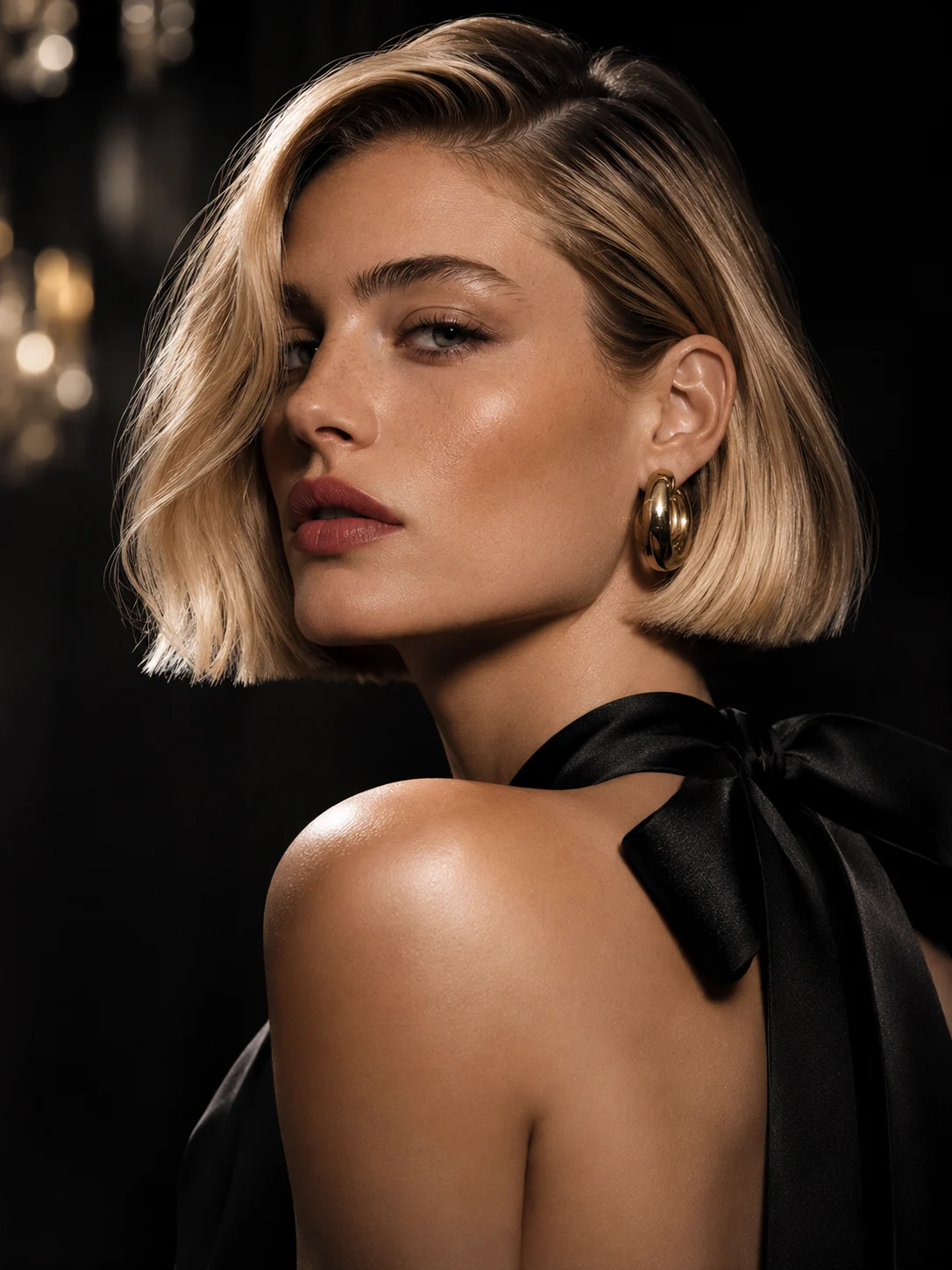
That is probably why I am drawn to the current return of cleaner shapes. A strong bob, for example, can look far more sophisticated with almost nothing done to it than it does after half an hour of unnecessary styling. When the perimeter sits correctly against the jaw and the balance through the back is right, the haircut already has enough authority. A little extra polish, perhaps one side tucked away, perhaps a slightly more deliberate surface, and suddenly the whole thing feels appropriate for an evening without becoming another hairstyle entirely.
That is what good haircutting should allow. The same shape should be capable of changing character.
It is also why copying photographs literally is so often disappointing. People rarely want the exact hairstyle they have brought in. They want the feeling of it. They may respond to the fact that the hair is away from the face, or the way the volume sits at the crown, or how loose and unconstructed it appears. They may like a bow, but what they actually like is the contrast between something soft and something very simple. They may like a wet finish, but what attracts them is really the confidence of seeing the entire face rather than the shine itself.
Those are useful things to talk about.
The photograph belongs to somebody else. Their face is different, their neck is different, their density is different, their texture is different. Trying to reproduce every visible element can be strangely uncreative. Understanding the reason the image works is much more interesting.
That becomes particularly obvious with hair that looks effortless. The best “undone” hair is rarely undone at all. It is carefully constructed and then edited until you can no longer see the construction. There is still balance. There is still tension. Somebody has still decided where the hair should sit, which pieces should remain loose and which ones should disappear. The skill is in making those decisions invisible.
You should notice the person before you notice the technique.
That sounds simple, but hairdressing is full of opportunities to get carried away. Another curl. Another section pulled loose. Another product. Another clip. Another layer of shine. Each addition can be perfectly reasonable on its own, and together they can become exhausting.
Sometimes one ribbon is enough. Sometimes nothing is better.
Restraint is not about making everything minimal. It is about deciding what the hierarchy is. Something should lead and everything else should support it.
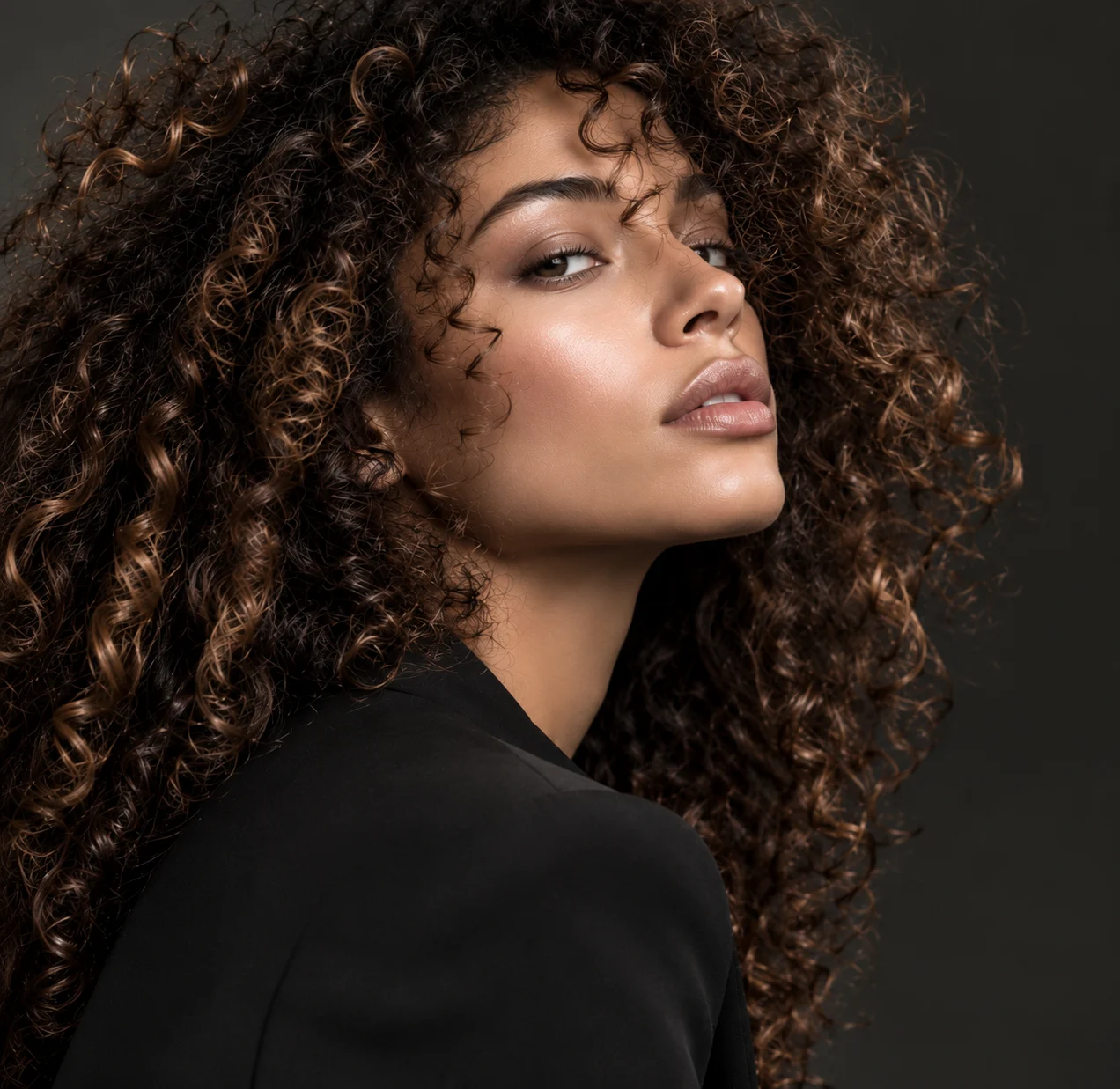
The same principle applies to volume. I am pleased to see a return to proper blow-dried movement, not because I am nostalgic for big hair, but because a good blow-dry reveals what the haircut is actually doing. The roots have lift, the layers separate, the ends move and the outline changes as the person turns their head. There is life in it.
That is very different from styling every section identically until the hair becomes a collection of repeated curls. Technically, it can be immaculate. Visually, it can also be rather dull.
Hair should move differently in different places.
The front has a relationship with the face. The crown has a different job from the ends. Density changes across the head. A good finish respects that instead of trying to make everything uniform.
And then there is polish, which is one of those things that becomes beautiful right up until the moment there is too much of it.
Hair worn away from the face can look extraordinary because there is nowhere to hide. You see the hairline. You see the head shape. You see the cheekbones and the neck. You also see the haircut properly. That is why a sleek, almost wet finish can be so effective on shorter hair or a bob. But the point is not to make the hair look wet. The point is to control direction and light.
Done well, it feels deliberate. Done badly, it simply looks unfinished.
The distinction is usually found in small details: where the parting sits, how the temples are treated, whether one side needs more control than the other, whether the shine is even. These things are not dramatic, but hair rarely needs dramatic decisions to change dramatically.
Which brings me back to party hair.
I do not think the useful question is, “What hairstyle should I wear for Christmas?”
I think the useful question is, “What should we change about the way I normally wear my hair to make it feel right for tonight?”
Sometimes the answer is almost nothing.
Perhaps the haircut needs cleaning up so the line feels sharper again. Perhaps some unnecessary weight needs to come out so the hair moves. Perhaps the colour needs gloss rather than a change. Perhaps the styling needs more lift at the root and less effort everywhere else.
Sometimes the answer is transformation, and that can be wonderful too. Hair away from the face when it is normally worn down. A very polished finish when it is normally soft. Much more volume than usual simply because you want the drama of it.
But transformation should be chosen.
It should never feel compulsory just because the invitation says evening.
The hair should still belong to the person wearing it.
Perhaps a little more refined. Perhaps more glamorous. Perhaps more severe, softer or more deliberate. But still recognisable.
I think that is what gets lost in so many seasonal trend pieces. There is always a list. Five hairstyles to try. Seven looks that are apparently everywhere. Three things that are suddenly “back”. It becomes very easy to talk about hair as though everybody should be moving in the same direction at once.
They should not.
The interesting part is the individual.
The texture, the face, the haircut, the way they dress, the amount of effort they are actually prepared to make the following morning. Those things matter far more than whether somebody has decided that bows or wet-look hair are having a moment.
Trends are useful because they give us a vocabulary.
They show us new proportions, new finishes, new ways of wearing familiar shapes. They give us something to respond to.
But they should start a conversation, not finish one.
The best evening hair, to me, has a sense of inevitability about it. Nothing seems forced. Nothing feels added simply because there was room for it. The shape is right, the texture is right and the finish belongs to the person.
It does not look like party hair.
It just looks like very good hair, at night.